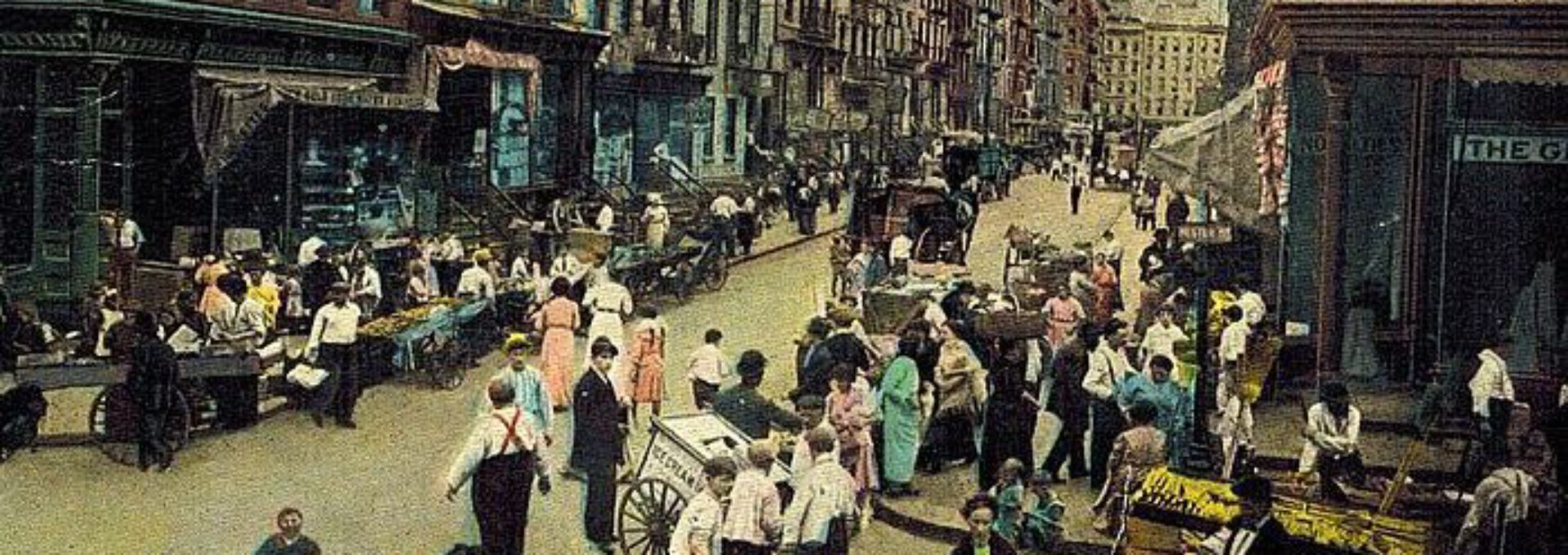
New York City is often called the gateway to America. For centuries, immigrants from around the world arrived here seeking opportunity, safety, and a better future. Their experiences shaped the city’s neighborhoods, institutions, culture, and economy, leaving behind a rich historical landscape that can still be explored today.
For visitors interested in understanding the immigrant experience, these are some of the best places to learn immigrant history in New York City.
The Lower East Side
No neighborhood is more closely associated with immigration than the Lower East Side.
Between the mid-nineteenth and early twentieth centuries, millions of newcomers settled in its crowded tenements. Jewish, Italian, Irish, German, Chinese, and many other communities established homes, businesses, religious institutions, and social organizations here.
Walking the neighborhood’s streets provides an opportunity to experience one of the most important immigrant landscapes in American history.
The Tenement Museum
The Tenement Museum offers one of the most immersive immigrant history experiences in the country.
Through restored apartments and guided tours, visitors can learn how real families lived, worked, and adapted to life in New York. The museum uses personal stories to illustrate larger themes of migration, identity, labor, and community.
Its programs help visitors understand the challenges and opportunities faced by generations of immigrants.
Ellis Island
For many Americans, Ellis Island remains the most recognizable symbol of immigration.
Between 1892 and 1954, millions of immigrants passed through the federal inspection station before entering the United States.
Today, exhibits explore the immigration process, personal stories of newcomers, and the role Ellis Island played in shaping the nation.
Chinatown
Immigrant history in New York extends far beyond Ellis Island and the Lower East Side.
Chinatown reflects the experiences of Chinese immigrants who built communities despite facing significant discrimination and legal restrictions. The neighborhood continues to evolve while preserving connections to its historical roots.
Its streets offer insight into both past and present immigrant experiences.
Museum at Eldridge Street
Built in 1887, the Eldridge Street Synagogue stands as one of the most important landmarks of Jewish immigrant history in America.
The building reflects the aspirations and achievements of Eastern European Jewish immigrants who transformed the Lower East Side into a center of Jewish life.
Visitors can explore both the architecture and the stories of the community that created it.
Little Italy
Although much smaller than it once was, Little Italy remains an important reminder of Italian immigration to New York City.
The neighborhood reflects the traditions, businesses, and social networks established by Italian immigrants who arrived during the great migration era.
Its surviving institutions provide valuable connections to that history.
Historic Churches and Synagogues
Throughout New York City, houses of worship reveal the stories of immigrant communities.
Religious institutions often served as community centers, social service providers, educational hubs, and cultural anchors for newcomers adjusting to life in America.
Many continue to preserve records and traditions connected to immigrant history.
Public Markets
Markets played an essential role in immigrant neighborhoods.
Places such as Essex Market grew out of efforts to organize the street vendors and pushcart merchants who supplied food and goods to densely populated communities.
These spaces reflect the entrepreneurial spirit that helped many immigrants achieve economic success.
Historic Cemeteries
New York’s historic cemeteries provide another window into immigrant life.
Gravestones reveal family origins, religious traditions, occupations, and community connections that help tell the broader story of migration and settlement.
Walking Tours
One of the most effective ways to learn immigrant history is by exploring the neighborhoods where immigrants actually lived.
A guided walking tour allows visitors to connect individual buildings, streets, institutions, and stories into a larger narrative about how newcomers transformed New York City.
Walking the same streets used by generations of immigrants provides a perspective that museums alone cannot fully capture.
Understanding New York Through Immigration
The story of New York City cannot be separated from the story of immigration.
From the Lower East Side to Chinatown and beyond, immigrant communities shaped the city’s culture, economy, architecture, politics, and identity. Exploring these places offers a deeper understanding of both New York and the broader American experience.
Interested in exploring the Lower East Side with an expert guide? Book a tour with Lower East Side History Project.