Most visitors to the Lower East Side know about famous landmarks like Katz’s Delicatessen, the Tenement Museum, and Orchard Street. But beyond the well-known attractions lies another layer of history, one filled with forgotten buildings, overlooked stories, vanished communities, and remarkable events that helped shape New York City.
The Lower East Side’s hidden history can often be found in places that visitors walk past every day without noticing.
The Streets Beneath Your Feet
Long before tenements and apartment buildings covered the neighborhood, much of Lower Manhattan looked very different.
Streams, ponds, hills, and marshes once occupied areas that are now crowded city blocks. The landscape was dramatically altered as New York expanded, leaving traces of earlier geography hidden beneath modern streets.
These changes helped influence later development patterns and even contributed to some of the city’s most notorious neighborhoods.
Forgotten Synagogues
At its peak, the Lower East Side contained hundreds of synagogues.
While a handful remain active or preserved today, many disappeared as populations moved to other neighborhoods. Some former synagogues were converted into churches, community centers, apartment buildings, or entirely different uses.
Without knowing where to look, visitors can easily miss these reminders of the neighborhood’s Jewish past.
Lost Theaters and Entertainment Venues
The Lower East Side once supported a thriving theater culture.
Yiddish theaters, music halls, performance spaces, and meeting halls brought entertainment and cultural life to immigrant communities. Most of these venues have disappeared, but their influence helped shape American theater, music, and popular culture.
Many of their locations survive with little indication of their former significance.
Hidden Architectural Clues
Historic buildings often contain clues about their original purpose.
Look carefully and you may notice faded advertisements painted on brick walls, carved inscriptions above doorways, altered storefronts, and traces of former businesses.
These details help tell stories that official historical markers often overlook.
Settlement Houses and Social Reform
The Lower East Side became a laboratory for social reform.
Settlement houses provided education, childcare, recreation, and assistance to immigrant families. Reformers used the neighborhood to study housing, public health, labor conditions, and poverty.
Many buildings connected to these efforts still stand, though their historical significance is not always obvious.
The Neighborhood’s Labor History
Some of the most important labor struggles in American history have roots on the Lower East Side.
Workers organized unions, demanded safer conditions, and fought for fair wages. These efforts influenced labor laws across the country.
Many locations connected to these movements remain part of the neighborhood landscape.
Hidden Stories of Everyday Life
Not every important historical story involves famous people or major events.
The daily lives of shopkeepers, factory workers, immigrants, teachers, religious leaders, and families helped shape the character of the Lower East Side.
Their experiences are often reflected in ordinary buildings and streets that survive today.
Vanished Streetscapes
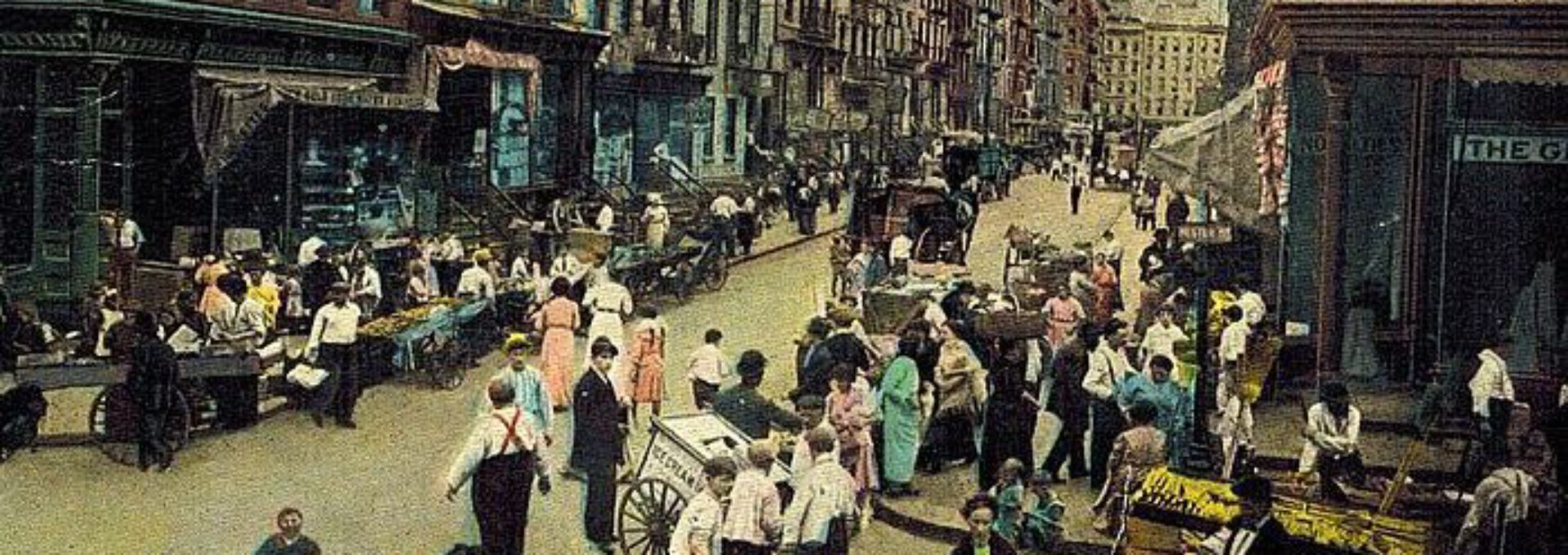
Historic photographs reveal a neighborhood that was once crowded with pushcarts, horse-drawn wagons, outdoor markets, and storefront displays.
Much of that world has disappeared, but careful observation can still reveal traces of the commercial activity that once filled neighborhood streets.
Layers of Immigration
The Lower East Side has been home to multiple waves of immigration.
Each community left behind institutions, traditions, buildings, and cultural influences that shaped those that followed. Understanding these layers helps visitors see the neighborhood as a constantly evolving place rather than a single historical moment.
Discovering Hidden History
The Lower East Side rewards curiosity.
Its most fascinating stories are not always found in museums or on plaques. Often they are hidden in architecture, side streets, overlooked buildings, and details that reveal how generations of New Yorkers lived, worked, worshipped, and built community.
Looking beyond the obvious attractions reveals a deeper understanding of one of America’s most historic neighborhoods.
Interested in exploring the Lower East Side with an expert guide? Book a tour with Lower East Side History Project.