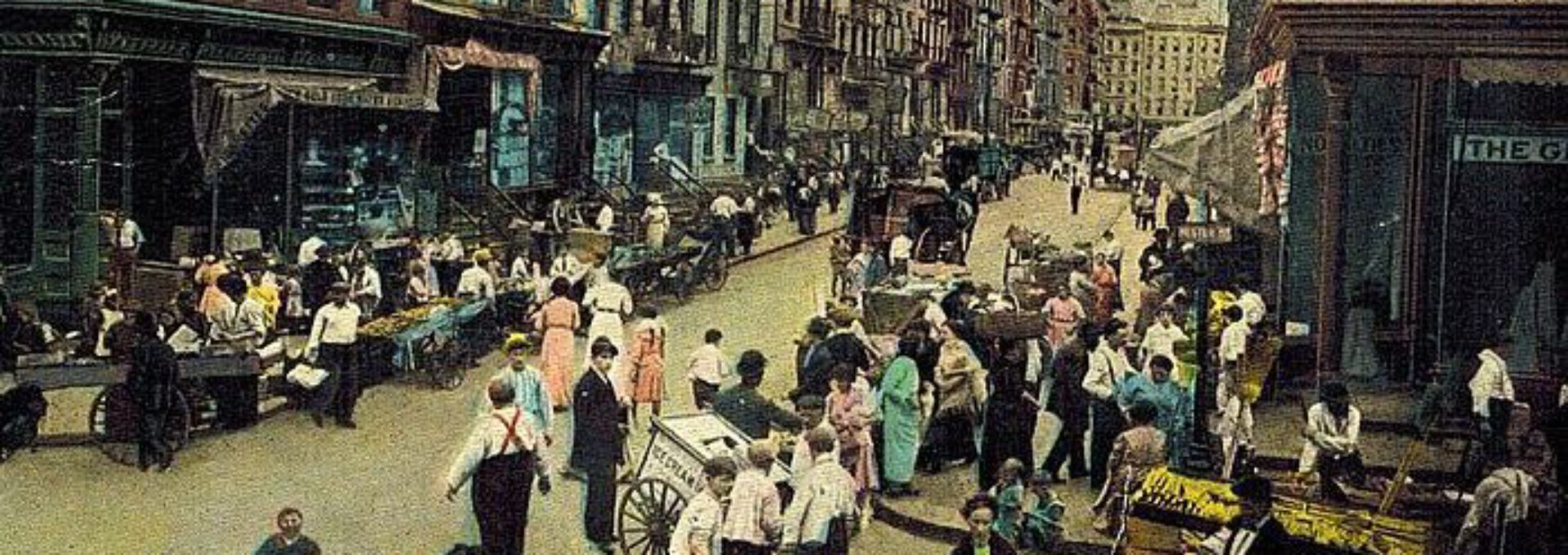
The Lower East Side is one of the most historic neighborhoods in the United States. Within just a few square blocks, visitors can explore stories of immigration, religion, labor activism, entrepreneurship, housing reform, and cultural change that helped shape New York City and the nation.
A historic Lower East Side walking tour offers an opportunity to experience these stories where they happened.
Why the Lower East Side Is Historically Important
During the nineteenth and early twentieth centuries, millions of immigrants arrived in New York City. Many settled on the Lower East Side, creating one of the most densely populated neighborhoods in the world.
Jewish, Italian, Irish, German, Chinese, and many other communities built homes, businesses, schools, religious institutions, and social organizations throughout the neighborhood.
Their experiences helped define the American immigrant story.
Walking Through Immigration History
One of the most compelling aspects of a historic Lower East Side walking tour is the opportunity to walk the same streets once traveled by generations of newcomers.
Historic tenements, commercial buildings, synagogues, schools, and markets still stand throughout the neighborhood, providing visible connections to the past.
These landmarks help visitors understand how immigrant families adapted to life in America while preserving elements of their cultural heritage.
Orchard Street
No historic walking tour would be complete without Orchard Street.
For decades, Orchard Street served as one of the most important commercial corridors in immigrant New York. Its shops attracted customers from across the city, while nearby tenements housed many of the merchants who operated them.
Today, the street remains one of the neighborhood’s most recognizable historic destinations.
The Tenement Landscape
The Lower East Side contains one of the largest surviving collections of tenement housing in the United States.
These buildings reveal how families lived during an era of rapid population growth and urban expansion. They also illustrate the challenges that led to housing reform efforts throughout New York City.
For many visitors, the tenements provide some of the most powerful connections to the neighborhood’s history.
Religious Landmarks
Religion played a central role in immigrant life.
Historic synagogues, churches, Buddhist temples, and other religious institutions helped newcomers build community, preserve traditions, and navigate life in a new country.
Several important examples survive throughout the Lower East Side and continue to reflect the neighborhood’s diverse heritage.
Markets and Commerce
Economic opportunity drew many immigrants to New York.
Markets, shops, workshops, and small businesses filled the Lower East Side, creating a vibrant commercial environment that supported generations of families.
The neighborhood’s economic history remains visible in its streetscapes and surviving commercial buildings.
Reform and Activism
The Lower East Side was also a center of social and political activism.
Labor organizers, reformers, journalists, educators, and community leaders worked to improve housing conditions, workplace safety, education, and public health.
Many of the movements that influenced modern urban life have roots in the neighborhood.
Architecture as History
One of the unique aspects of a walking tour is the ability to use architecture as a historical record.
Building styles, street layouts, storefronts, and architectural details reveal how the neighborhood evolved over time.
Visitors often discover that even ordinary-looking structures contain remarkable stories.
Seeing More Than Buildings
The best historic walking tours focus not only on landmarks but also on the people who lived there.
Immigrant families, workers, business owners, religious leaders, activists, and everyday residents all contributed to the neighborhood’s development.
Understanding their experiences transforms a simple walk into a deeper exploration of New York City’s history.
Experience History Where It Happened
Reading about history is valuable, but standing in the places where history unfolded provides a different perspective.
A historic Lower East Side walking tour allows visitors to connect buildings, streets, and stories into a larger narrative about immigration, community, resilience, and change.
Few neighborhoods offer such a rich concentration of history within such a small area.
Interested in exploring the Lower East Side with an expert guide? Book a tour with Lower East Side History Project.